Story · Oct 2021
↗From a Quieter Pujo to Ektu Beshi Bangaliyana: Our Journey from 2021 to 2026
A Pujo story · 2021 to 2026 In 2021, we searched for ways to feel close to Pujo when…
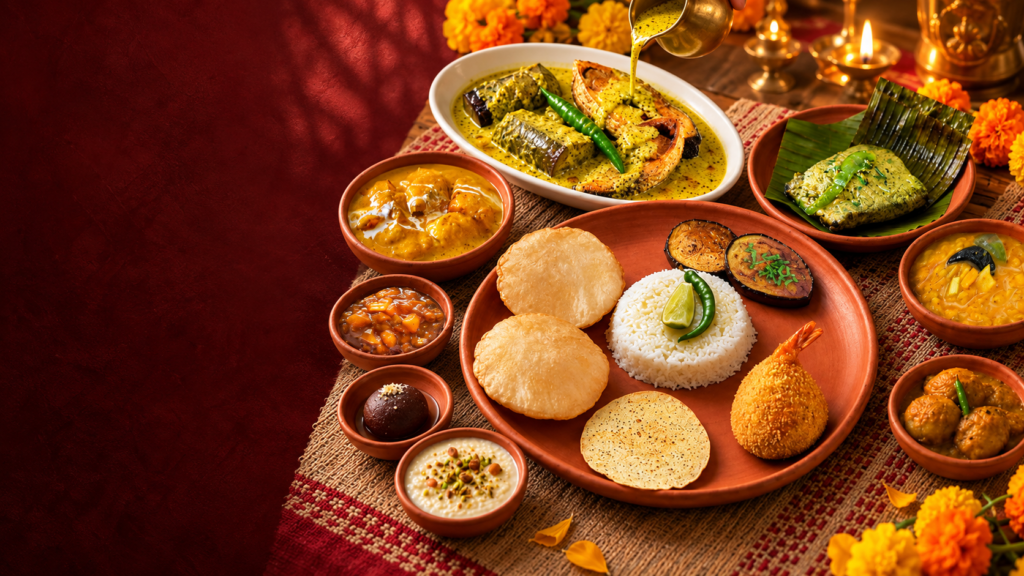
From quieter celebrations to nine days of Bengali bhoj, our Pujo story continues in Singapore.
Read the feature ↗Explore Bengali food, memory and recipes. Choose a topic, or search for the dish you remember.
A Pujo story · 2021 to 2026 In 2021, we searched for ways to feel close to Pujo when…

As Mahalaya draws near, the first notes of Pujo begin to find us—even here in Singapore. With Anondomela on…
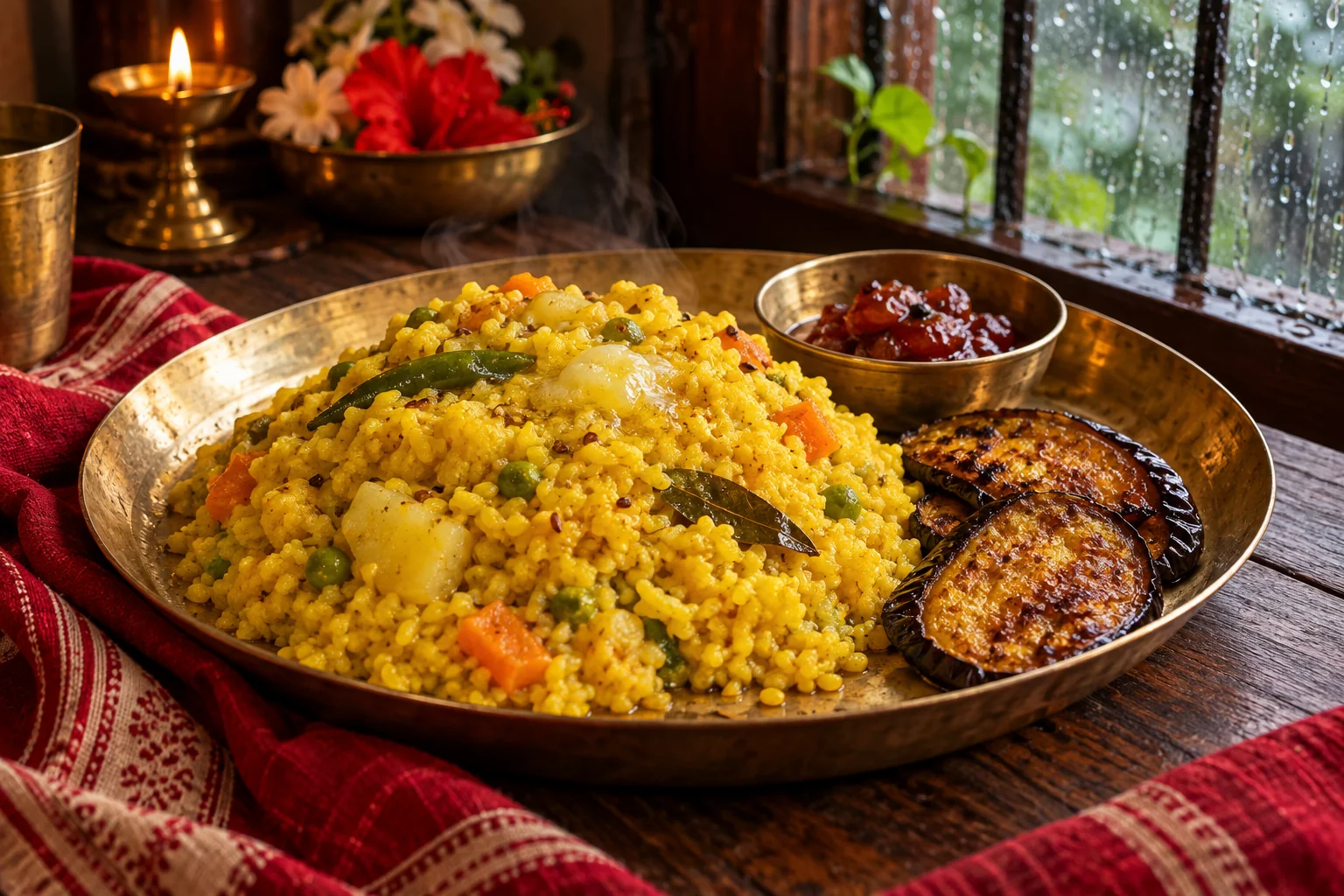
The first roll of thunder reaches the window. Then comes the rain, so heavy that the trees across the…
View the Recipe ↗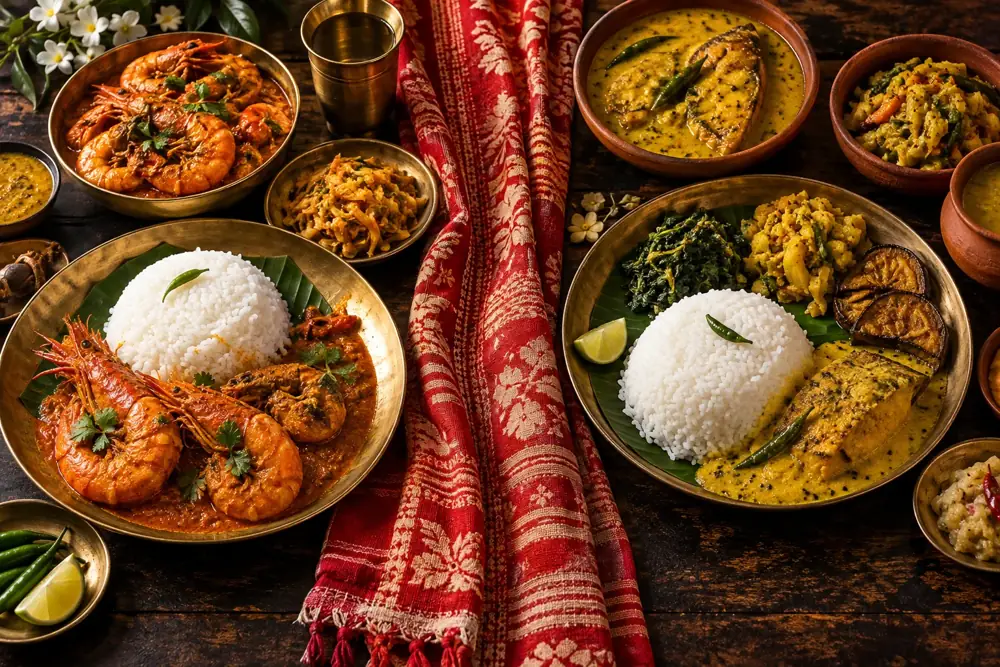
Daab/Galda Chingri vs Ilish Maacher Jhol—a delicious divide. One brings galda chingri, the other brings ilish. They exchange a…
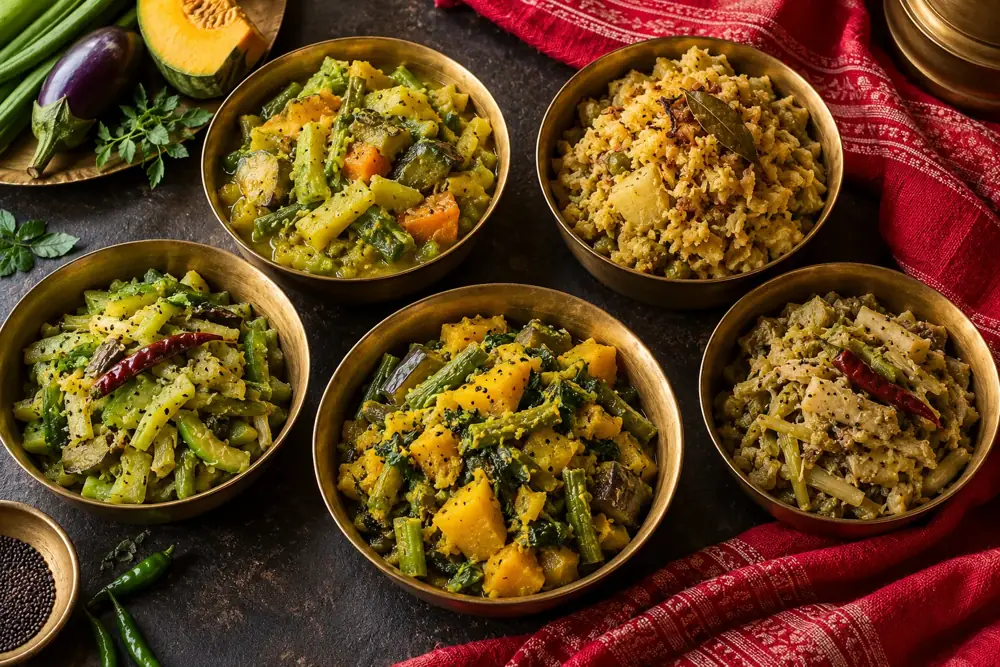
“What’s in a name?” Shakespeare asked so eloquently in Romeo and Juliet. Little did he know that, thousands of…
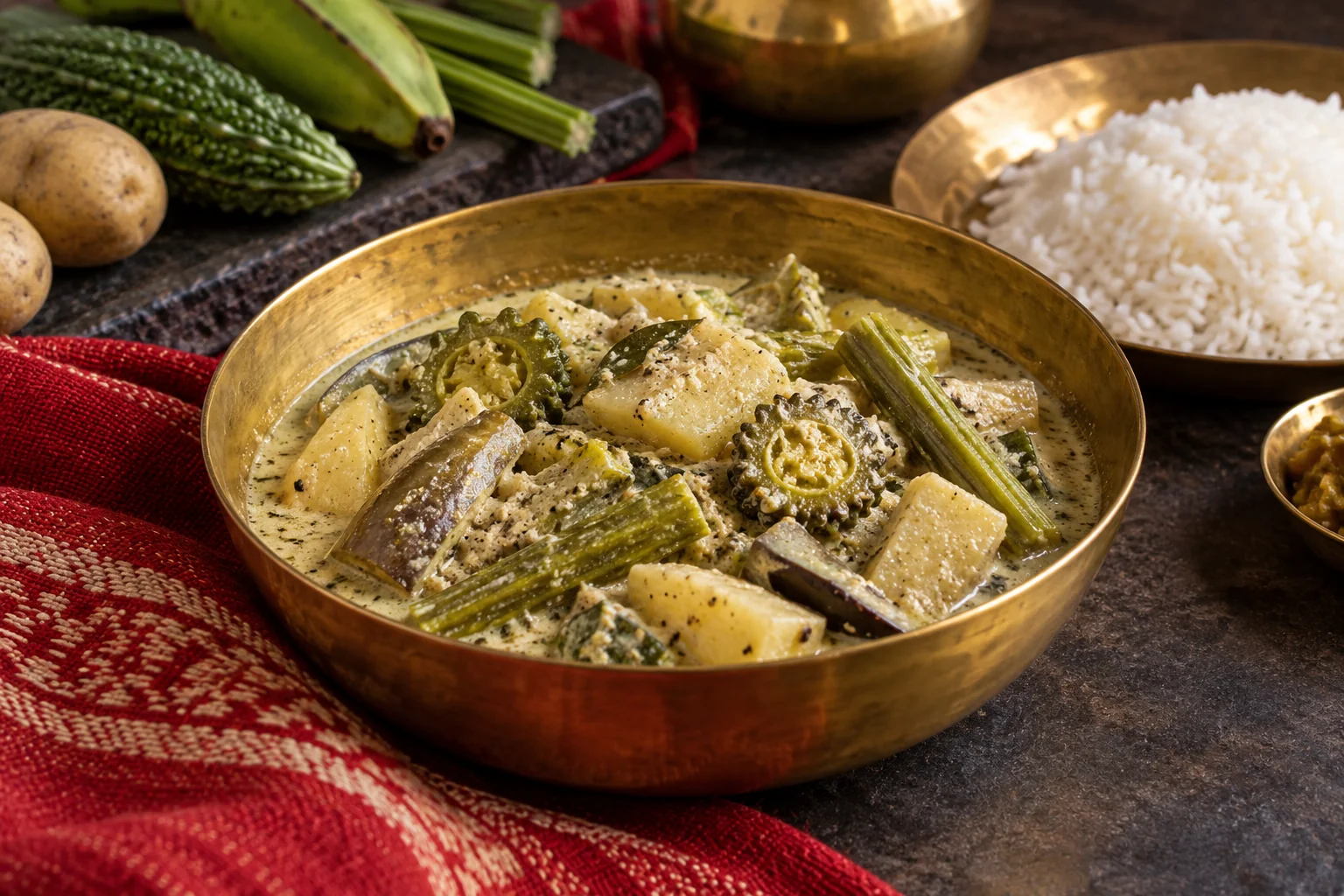
There is an urban legend among a lot of Bengali families that in the early 1500s, Chaitanya Mahaprabhu came…
View the Recipe ↗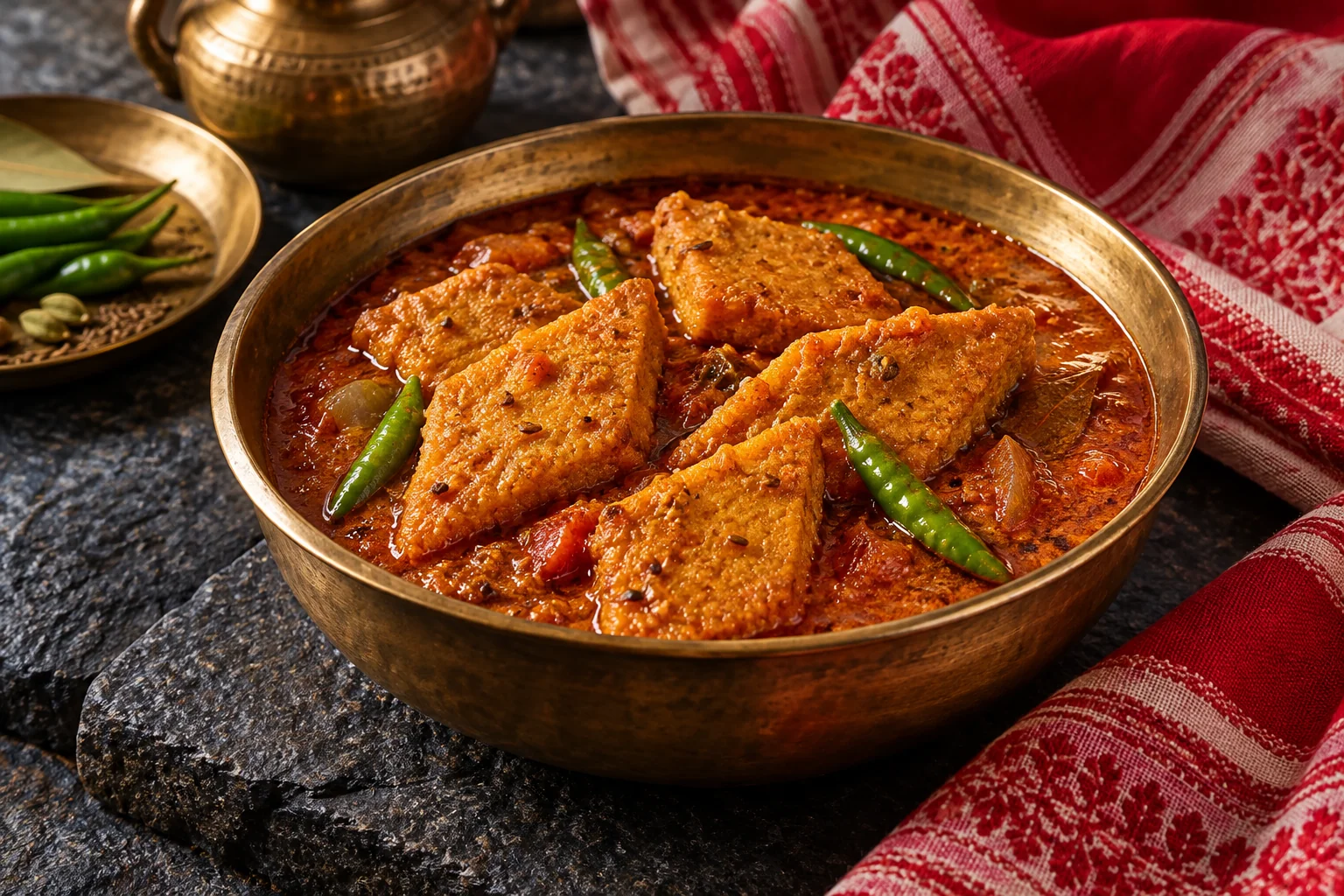
Dhoka – the name is steeped in history, irony, and despite its humble origins – is a pillar of Bengali…
View the Recipe ↗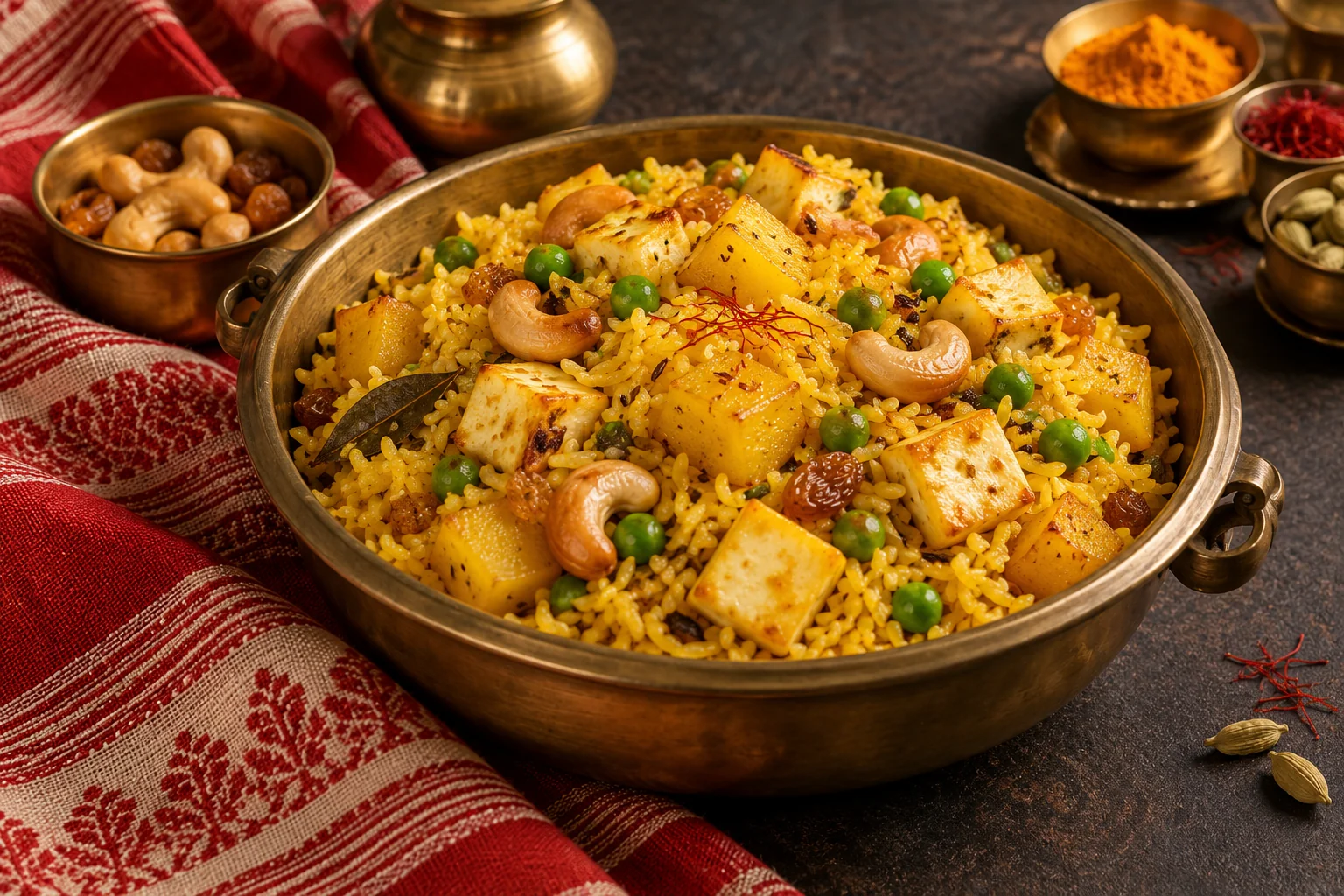
In old Bengal, widowed women lived under strict food restrictions: no fish, meat, onion or garlic. Yet their resilience…
View the Recipe ↗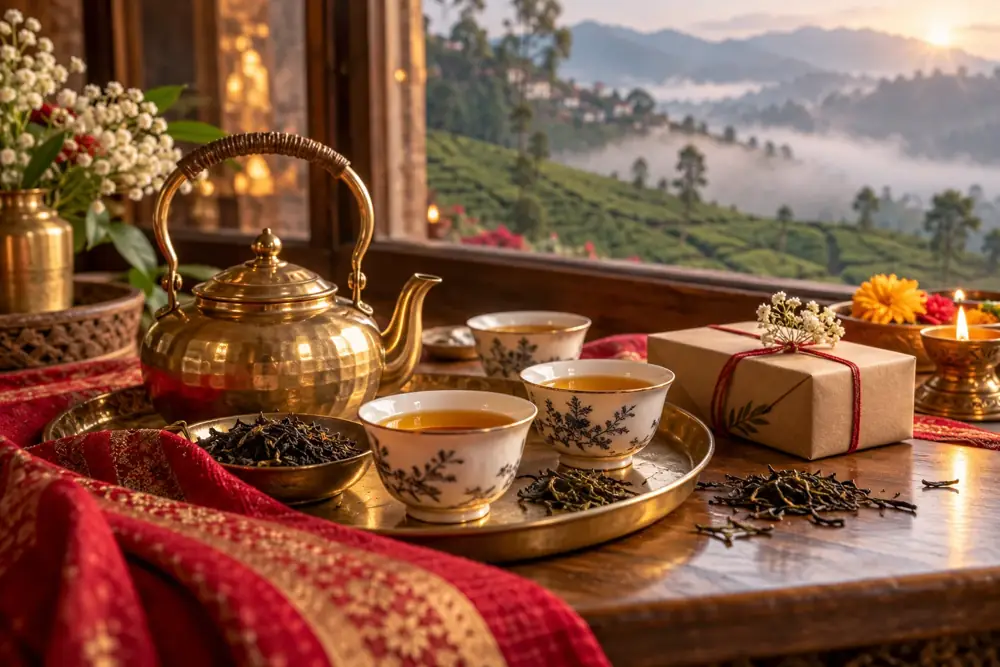
We at Fifth Season Restaurants have brought India’s most premium teas to Singapore, and have heeded the call of…
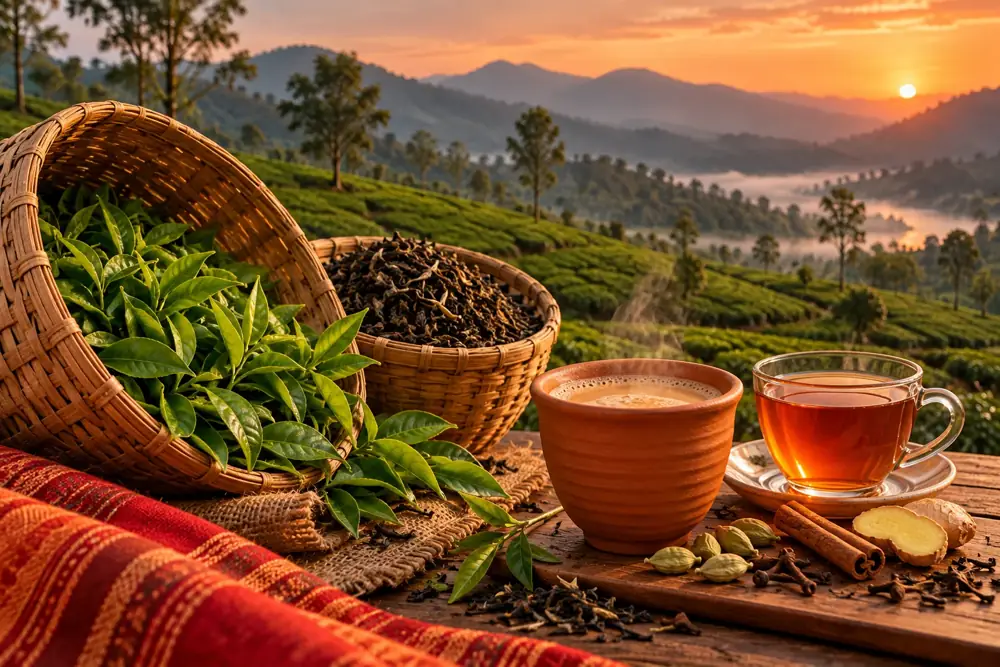
Let’s dive straight into our delectable selection of loose leaf teas, their flavor profiles and the brewing instructions. ASSAM…
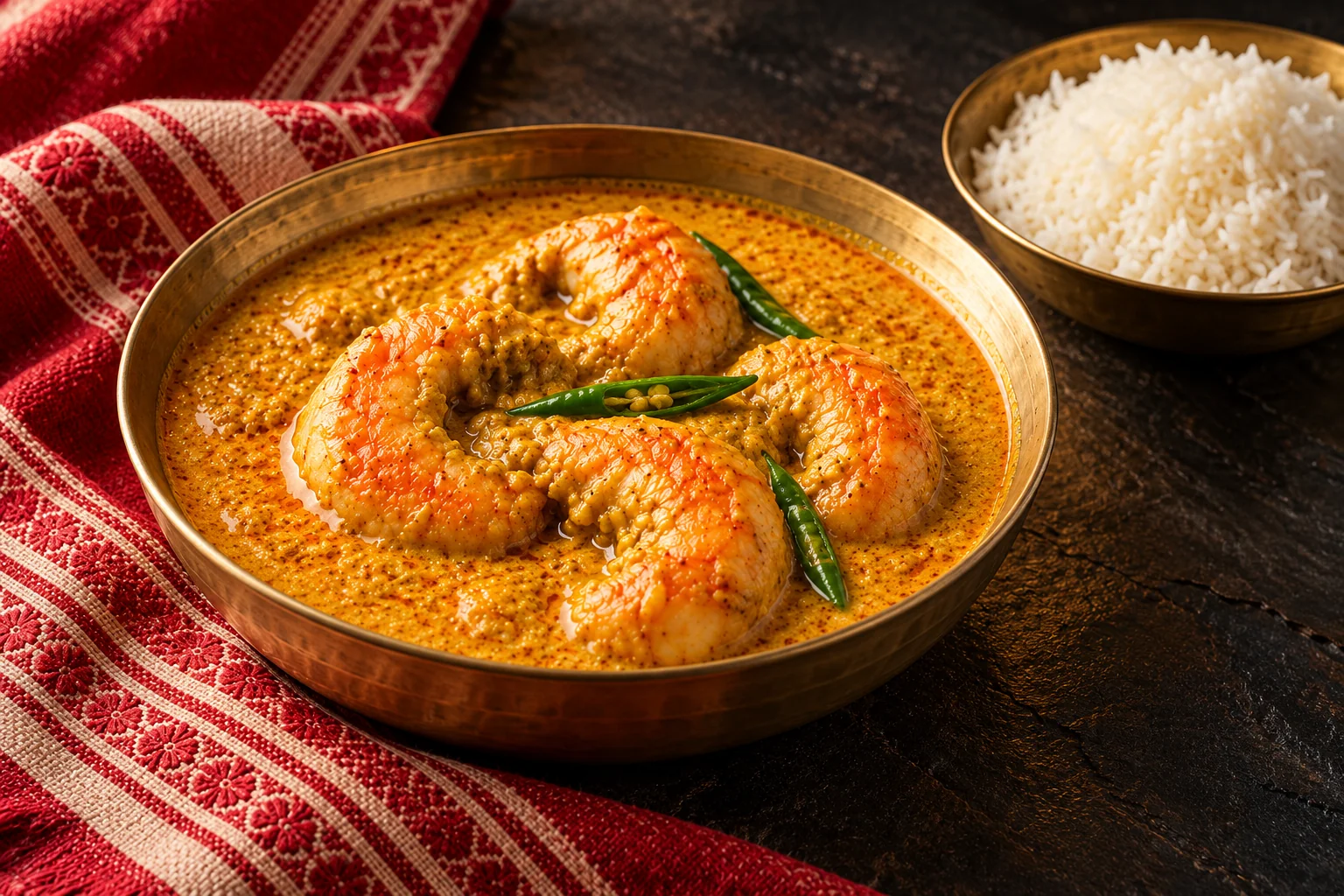
A Bengali celebration dish: tender prawns in a gently spiced coconut milk gravy. Serve it with basmati rice or…
View the Recipe ↗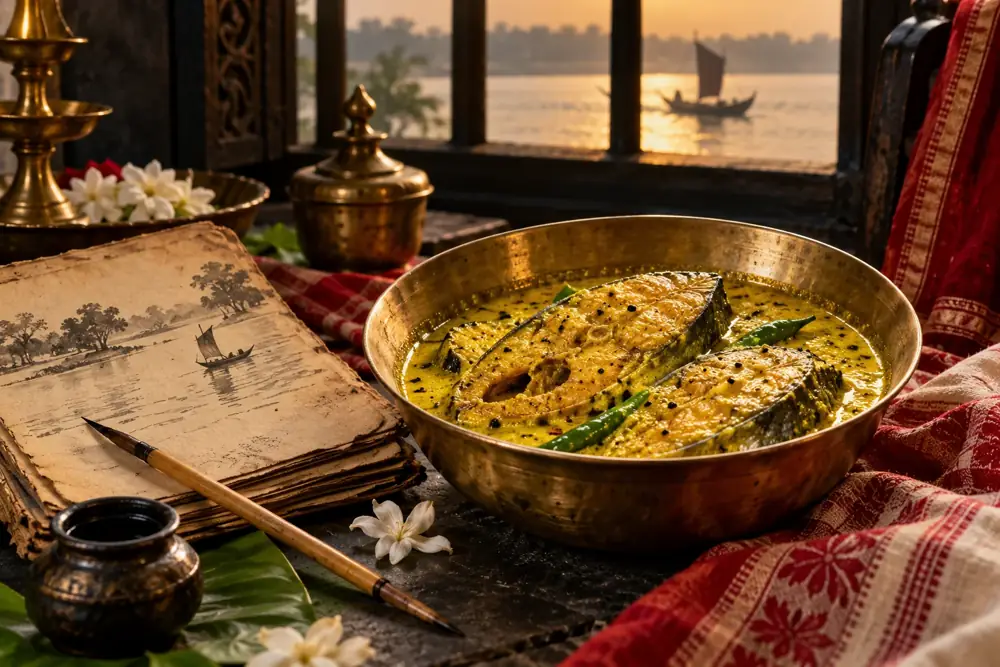
The varied “Mangal Kabya” were introduced into the ancient literature of Bengal during 14th n15th centuries. The Welfare Verses…
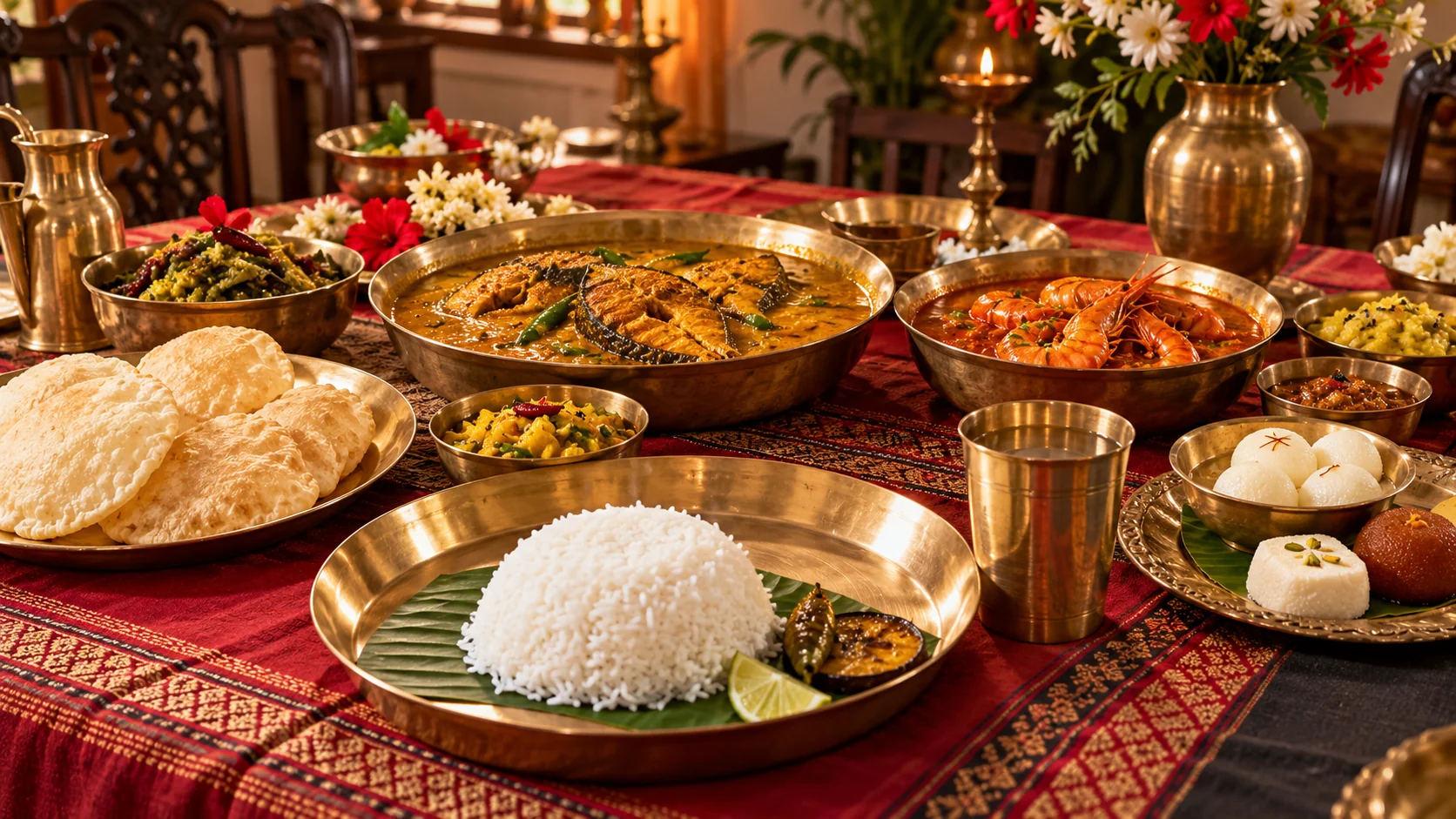
Jamai Shoshthi is a traditional Bengali festival that celebrates the bond between a mother-in-law (Shashudi Maa) and her son-in-law…
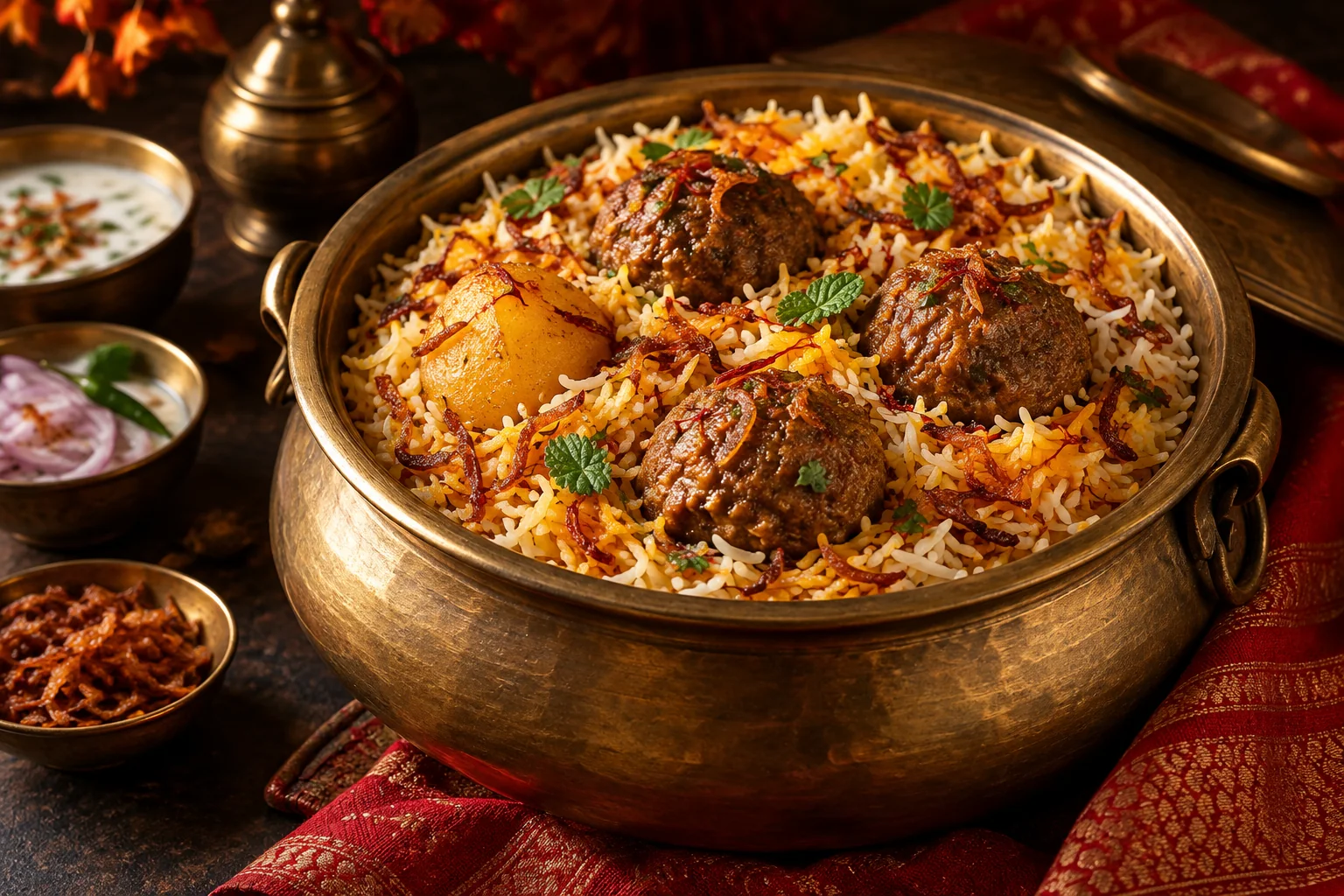
When you think of biryani, Kolkata’s iconic version—with its fragrant rice, tender meat, and that unmistakable aroma of kewra…
View the Recipe ↗No matching posts. Try another word.
